
Capturing Singapore's Happy Pulse!
Check out insights and findings through the articles below:
Categories
Tags
Sort By
How Impulsivity Increases Scam Susceptibility in Singapore
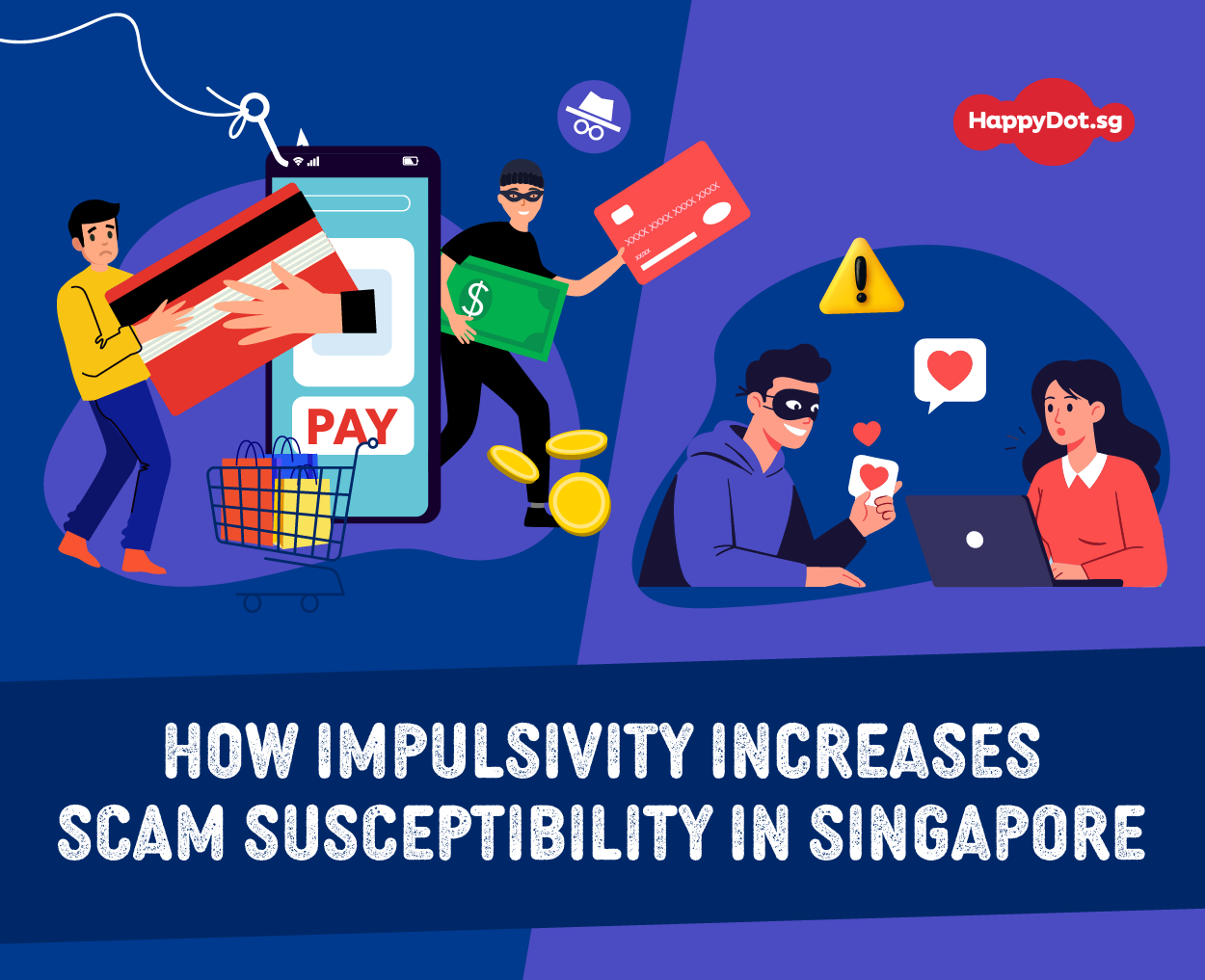
When it comes to scams, many assume that falling victim is simply due to a lack of awareness. However, findings from a study of 1,052 Happydotters show that scam vulnerability is not limited to awareness alone, but is also shaped by how people make decisions and respond under pressure — particularly, how quickly they act.
Young, Tech-Savvy yet Still at Risk of being scammed? How Scam Vulnerability Differs Across Age Groups in Singapore
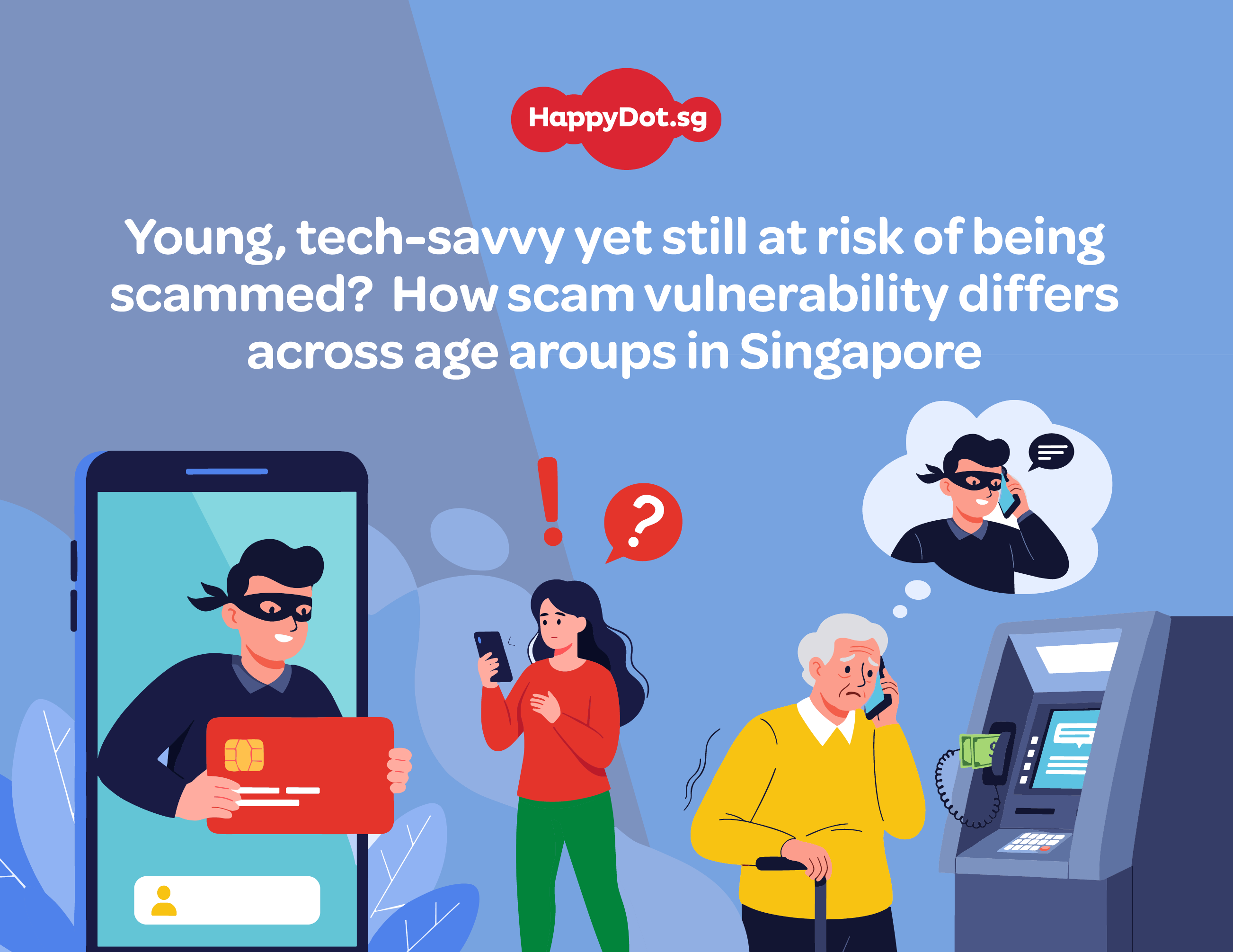
Scams are often associated with older and less digitally savvy individuals. However, findings from a recent study of 1,052 Happydotters suggest that vulnerability to scams is not limited to any one age group. Instead, scam risks vary not just by age but are also shaped by how people make decisions and respond to situations. Rather than being tied to one demographic, vulnerability depends on behavioural patterns unique to each group.
Raising the Next Generation: What Singaporeans Value and What Worries Them Most
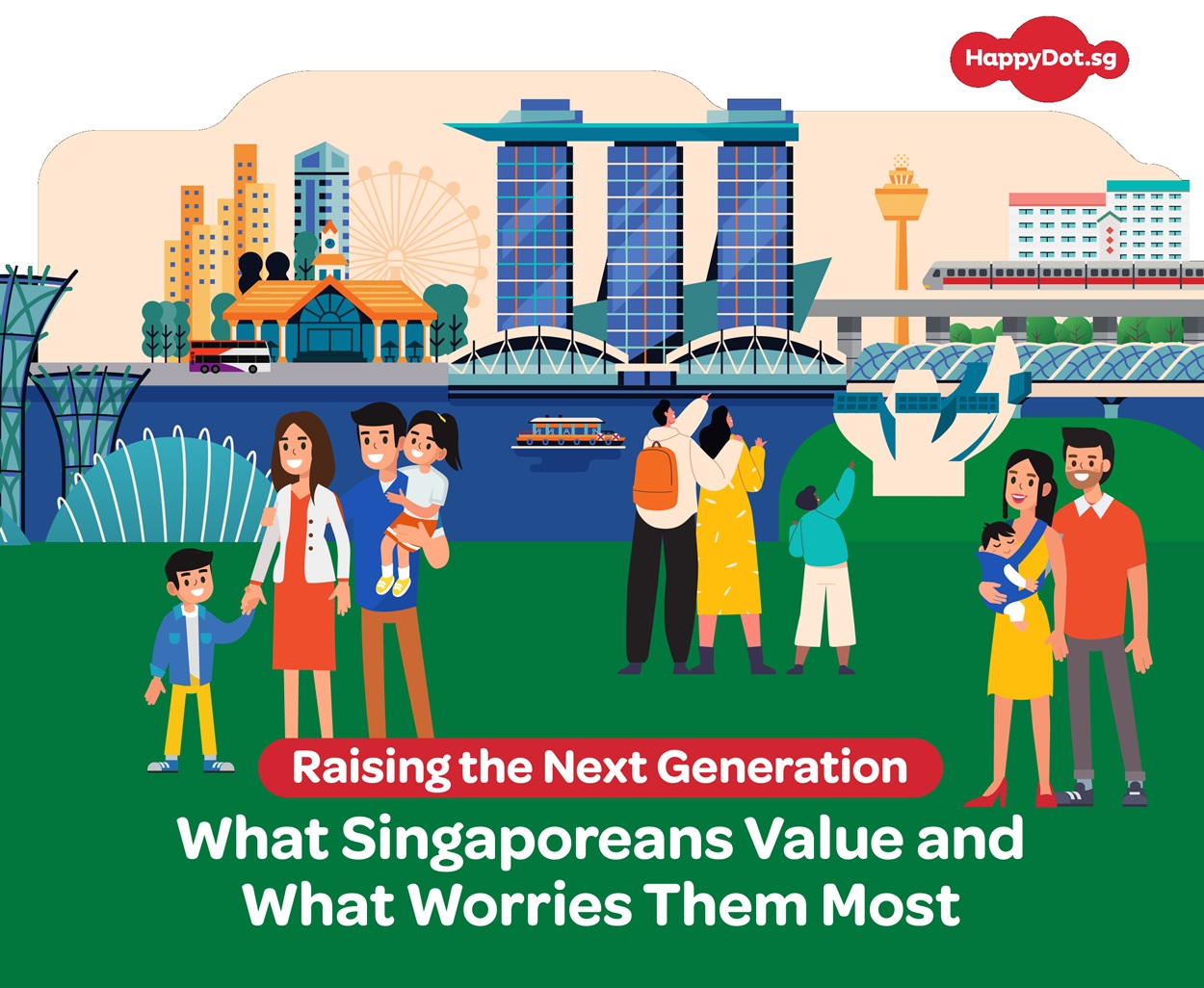
In an increasingly complex world, what do adults believe children need most to thrive? And how do today’s biggest concerns shape these priorities? Our Year in Review survey findings reveal a clear link between the values Singaporeans want to pass on and the challenges they feel most acutely.
Why Composting Still Feels Hard for Many Singaporeans Even When Climate Concern is High
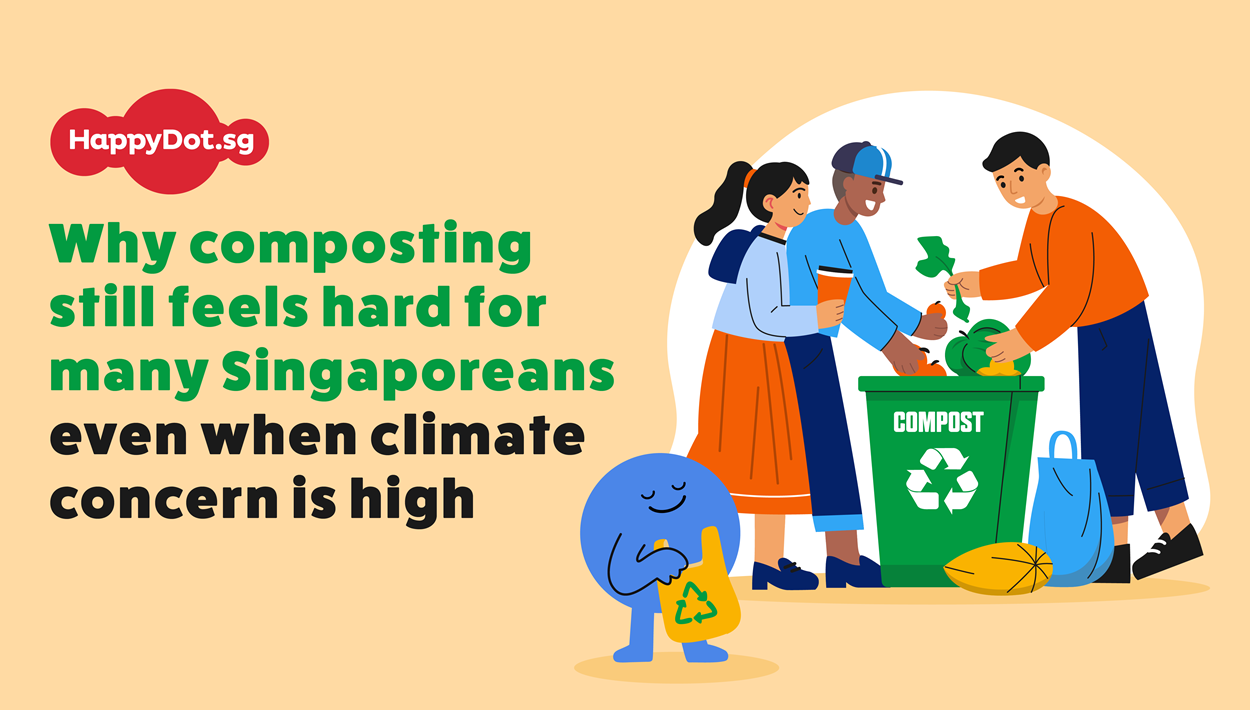
Singaporeans are not short on concern about climate change. Awareness is widespread, worry levels are high, and many recognise that individuals play a role in addressing environmental issues. Yet when it comes to composting, a tangible, household-level climate action — hesitation remains. The intention split highlights that while more than half of Singaporeans are open to composting, a substantial minority remain unconvinced or unsure.